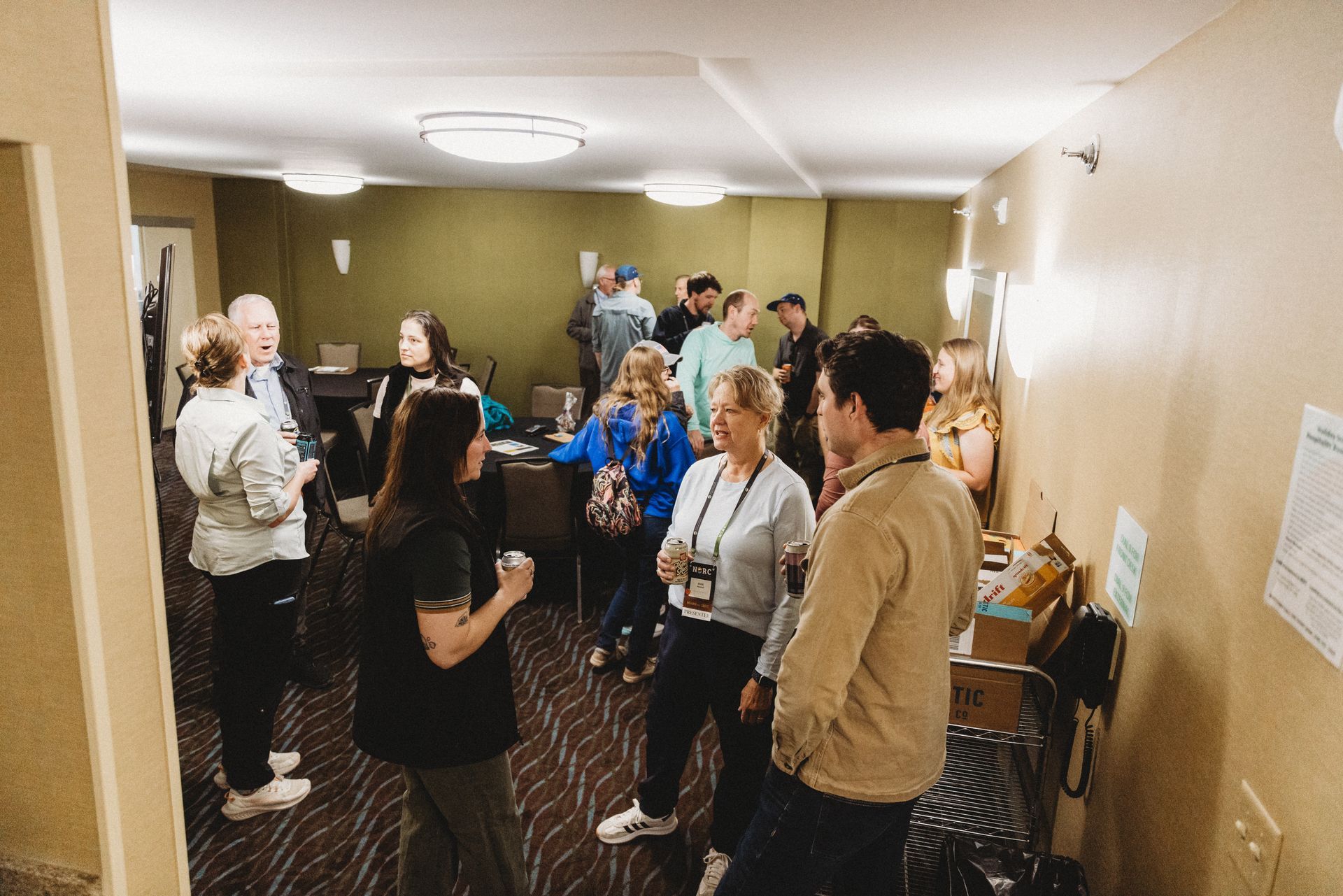
Thank You to Our Departing Board members
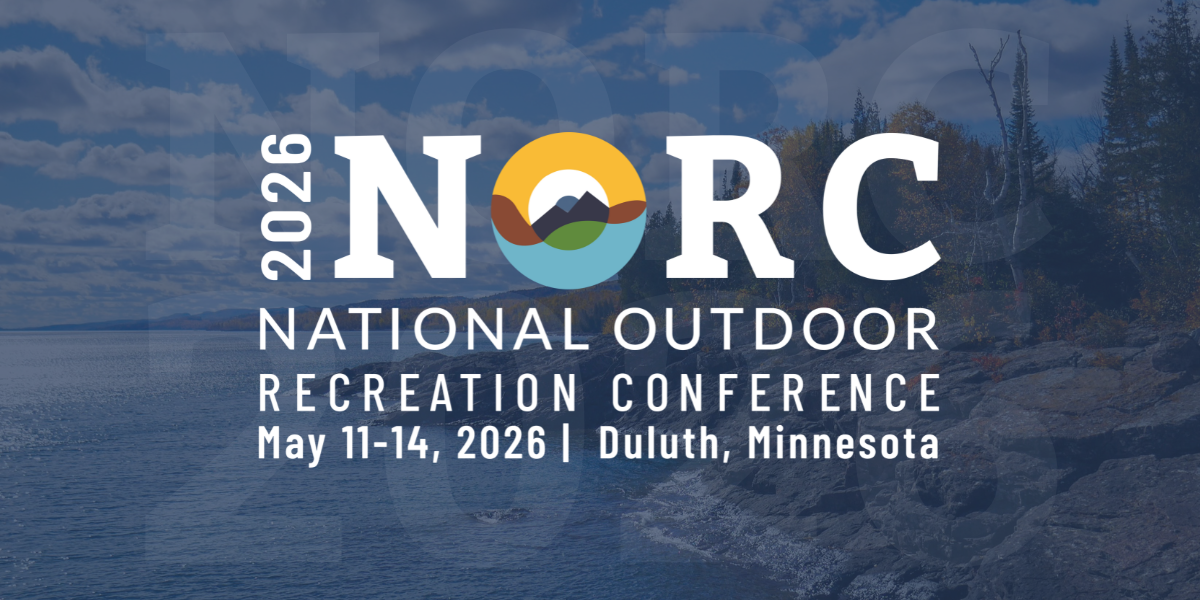
A quick recap of a fun week in Duluth, Minnesota!

Toward Shared Stewardship of America’s Public Lands Moving Beyond Control to Collaboration Debates over who should manage America’s public lands often frame the issue as a choice between federal authority and state control. In practice, this framing oversimplifies a far more complex reality. Public lands are shaped by overlapping jurisdictions, shared responsibilities, and partnerships that already blur the lines between levels of government. The question is not whether authority should reside in one place or another, but how stewardship can be structured to balance access, conservation, and long term responsibility. Federal land management has historically provided consistency, durability, and protection at scale. National standards help safeguard ecosystems that cross political boundaries and ensure that public lands remain public across generations. At the same time, centralized systems can struggle to respond quickly to local conditions, evolving recreation patterns, and community specific needs. State led approaches, by contrast, offer flexibility, proximity, and opportunities for alignment with regional priorities, but they also raise concerns about capacity, funding stability, and uneven conservation outcomes. Rather than viewing these models as mutually exclusive, a shared stewardship approach recognizes that effective land management often emerges from collaboration. Many of the most successful public land initiatives already rely on cooperative agreements among federal agencies, state governments, tribal nations, local communities, nonprofits, and private partners. These arrangements allow authority, expertise, and resources to be distributed in ways that reflect both local knowledge and broader public interests. Shared stewardship emphasizes governance over ownership. It shifts attention away from who holds title to land and toward how decisions are made, who participates in those decisions, and what values guide them. Under this framework, federal agencies retain responsibility for long term conservation and national priorities, while states and local partners play meaningful roles in planning, implementation, and adaptive management. This approach can preserve consistency while allowing for innovation and responsiveness. For outdoor recreation, shared stewardship offers a pathway to balance access and protection. Recreation infrastructure, visitor management, and community partnerships often benefit from local leadership and regional coordination. At the same time, ecological monitoring, habitat protection, and landscape scale planning require continuity and scientific rigor that national systems are well positioned to provide. Aligning these strengths requires intentional collaboration rather than jurisdictional competition. This model also places a premium on transparency and accountability. Shared stewardship works only when roles are clearly defined, funding mechanisms are stable, and outcomes are evaluated over time. Without these safeguards, partnerships risk becoming symbolic rather than substantive. Successful collaboration demands sustained investment in communication, data sharing, and trust building across agencies and sectors. Universities and applied research institutions have an important role to play in this landscape. By serving as neutral conveners, knowledge brokers, and workforce trainers, they can support evidence based decision making and help bridge gaps between policy and practice. Research that integrates ecological science, recreation management, and community economics is particularly valuable in informing adaptive governance models. Ultimately, the future of public land stewardship will be shaped less by jurisdictional boundaries than by collective capacity. Climate change, biodiversity loss, and rising recreation demand are challenges that no single agency or level of government can address alone. Shared stewardship acknowledges this reality and offers a framework for cooperation that respects both local insight and national responsibility. Public lands are among the most enduring public investments in American history. Preserving their ecological integrity and public value requires moving beyond debates about control and toward conversations about collaboration. By focusing on shared responsibility rather than competing authority, land managers, recreation professionals, and policymakers can work toward systems that are resilient, inclusive, and worthy of the landscapes they serve.
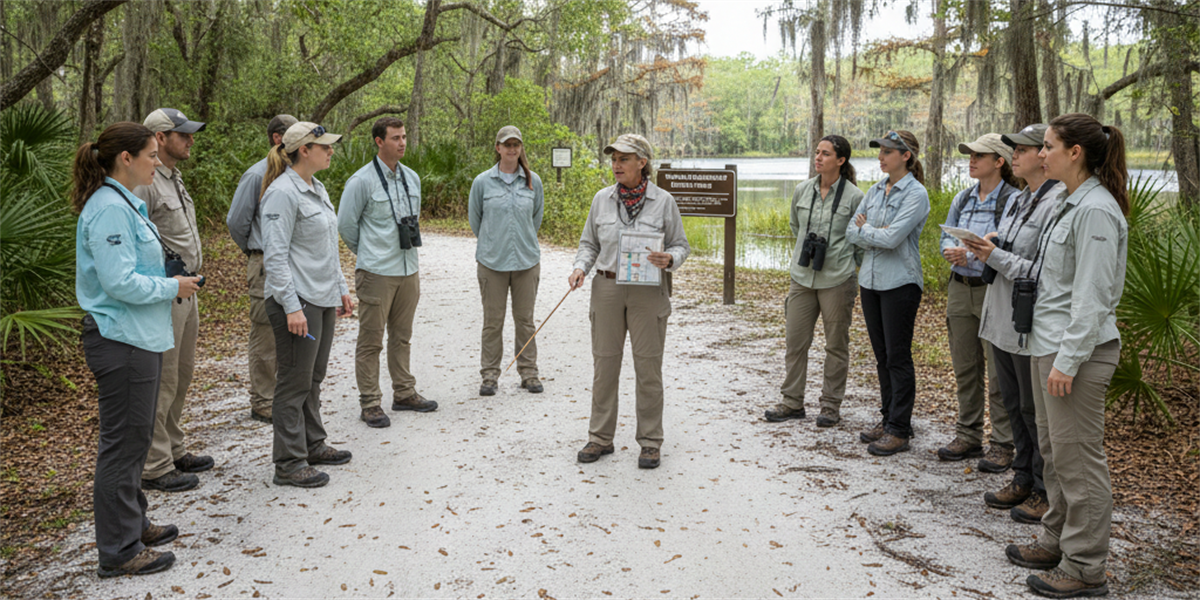
What Shifting Public Land Governance Means for Outdoor Recreation Professionals A Field Being Asked to Adapt in Real Time For outdoor recreation and natural resource professionals, debates over who manages public lands are not abstract policy conversations. They are shaping day to day work, long term career paths, and the skills required to remain effective in a rapidly changing field. As authority, access, and expectations shift, so too does the professional landscape. One of the most immediate implications is increased complexity. Recreation professionals are now navigating management systems that vary widely by jurisdiction, funding structure, and political context. Where federal agencies once provided a relatively consistent framework, professionals may now find themselves working across multiple state led systems, each with its own permitting processes, performance metrics, and stakeholder expectations. This fragmentation requires greater adaptability and a deeper understanding of governance, policy, and interagency coordination. The role of outdoor recreation professionals is also expanding beyond traditional management and operations. Increasingly, professionals are being asked to serve as translators between competing interests. Balancing recreation access, conservation priorities, community economic goals, and political realities requires skills that extend well beyond trail design or resource monitoring. Communication, facilitation, and conflict resolution are becoming central competencies, particularly as public lands attract more users and more scrutiny. Economic considerations are playing a larger role in professional decision making. As states seek to align land management with economic development, recreation professionals are often tasked with demonstrating return on investment, supporting tourism strategies, and justifying infrastructure investments. That shift places new emphasis on economic impact analysis, partnership development, and grant acquisition. Professionals who can connect recreation outcomes to broader community benefits are increasingly valued. Workforce expectations are also changing. In some settings, professionals are managing expanded responsibilities without corresponding increases in staffing or funding. In others, they are operating within entrepreneurial models that emphasize revenue generation through permits, concessions, and partnerships. These environments reward innovation and flexibility, but they can also increase burnout and blur the line between stewardship and commercialization. Navigating that tension is becoming a defining challenge of the profession. Education and training pathways must evolve alongside these changes. Technical skills remain essential, but they are no longer sufficient on their own. Future professionals need grounding in policy analysis, public administration, community planning, and applied research. They also need experience working across sectors, including nonprofits, private operators, and local governments. Universities and training programs play a critical role in preparing graduates for this more interdisciplinary and politically complex landscape. Ethical considerations are also coming to the forefront. As access expands and revenue models grow more prominent, professionals must grapple with questions about equity, inclusion, and public trust. Who benefits from expanded access. Who is left out. How are decisions justified and communicated. Maintaining legitimacy requires transparency and a clear commitment to public service values, regardless of governance structure. Despite these challenges, this period of transition also presents opportunity. Outdoor recreation professionals are uniquely positioned to shape how land management evolves. Their on the ground experience provides insight into what works, what fails, and what unintended consequences emerge over time. Professionals who engage proactively in policy discussions, research partnerships, and community planning efforts can help ensure that changes in governance lead to better outcomes rather than reactive compromises. Perhaps most importantly, this moment calls for professional leadership. As public lands become sites of intensified debate, outdoor recreation professionals are often among the most trusted voices in the room. Their ability to ground conversations in evidence, experience, and long term perspective is essential. Whether working within federal agencies, state systems, universities, or local organizations, their role in shaping the future of public lands has never been more consequential. The governance structures surrounding public lands may continue to shift, but the core mission of outdoor recreation and natural resource professionals remains the same. To steward land responsibly, facilitate meaningful access, and ensure that public resources serve both present and future generations. Adapting to change while holding fast to that mission will define the profession in the years ahead.

The Risks of Shifting Public Lands to State Control Capacity, Consistency, and the Fragility of Long Term Stewardship While arguments for expanded state control of public lands emphasize flexibility, local knowledge, and economic opportunity, the concerns raised by critics are equally substantive. These concerns are not rooted in resistance to change, but in questions of capacity, consistency, and long term responsibility. As management authority shifts closer to the local level, the safeguards built into federal systems may become harder to sustain. One of the most significant challenges is uneven capacity across states. Federal land agencies operate at a national scale, supported by stable funding streams, standardized training systems, and decades of institutional knowledge. State agencies vary widely in staffing levels, budget stability, and technical expertise. Some states are well equipped to manage large and complex landscapes. Others already struggle to maintain existing state parks, wildlife areas, and recreation infrastructure. Expanding responsibilities without equivalent and durable funding raises concerns about whether states can realistically absorb additional land management duties over time. Funding instability is a closely related issue. Federal land agencies benefit from appropriations that, while often insufficient, are at least structured around long term national commitments. State budgets are more vulnerable to economic downturns, political shifts, and competing priorities such as education, healthcare, and transportation. When revenues decline, conservation and recreation funding are often among the first areas to be reduced. This creates a risk that public lands managed at the state level could experience cycles of underinvestment, deferred maintenance, and diminished enforcement. Consistency in conservation standards is another central concern. Federal land management provides a baseline of protections that apply across ecosystems and political boundaries. These standards are particularly important for migratory wildlife, watershed protection, and landscape scale ecological processes that do not align neatly with state borders. Shifting authority to individual states can lead to fragmented management approaches, where protections vary significantly from one jurisdiction to another. Over time, this patchwork can undermine broader conservation goals and weaken ecosystem resilience. Critics also point to political pressure as a complicating factor. State agencies are often more directly exposed to short term political and economic demands, particularly in regions where public lands represent a significant share of the tax base or development potential. Decisions about leasing, permitting, and access may be influenced by immediate economic needs rather than long term ecological considerations. While federal agencies are not immune to political influence, their distance from local pressures can sometimes provide insulation for unpopular but necessary conservation decisions. Public access and equity present additional challenges. Expanded permitting and leasing can improve access for some users while restricting it for others. Fee based systems, exclusive concessions, and privatized access arrangements may unintentionally favor commercial operators or higher income users. Without careful oversight, public lands risk becoming less public in practice, even if they remain publicly owned. Ensuring equitable access requires deliberate policy choices and sustained investment, both of which can be difficult to maintain amid shifting political priorities. Wildlife and habitat protection remain central to these debates. Many species depend on large, contiguous landscapes that cross multiple jurisdictions. Federal management has historically played a key role in maintaining habitat connectivity and enforcing protections for threatened and endangered species. State led systems may face greater challenges balancing these responsibilities alongside economic development goals, particularly when conservation measures are perceived as limiting local opportunity. There is also concern about institutional memory and scientific continuity. Federal agencies maintain extensive research partnerships, long term monitoring programs, and data repositories that inform adaptive management. Fragmenting authority across states risks disrupting these systems, particularly if data standards, research priorities, and monitoring protocols diverge. Over time, this can weaken the scientific foundation that supports effective land management decisions. None of these concerns suggest that federal land management is flawless or that states lack the ability to manage public lands responsibly. Rather, they highlight the tradeoffs inherent in shifting authority. Efficiency gains achieved through localized decision making may come at the cost of consistency, stability, and long term ecological safeguards. These tradeoffs are often difficult to reverse once authority has been transferred. At its core, the debate over state control of public lands is not simply about governance structures. It is about values. It asks whether society is willing to prioritize long term stewardship over short term gains, whether conservation should be buffered from political cycles, and how public lands should serve future generations as well as present needs. As pressures on public lands continue to grow, these questions will only become more urgent. Understanding the risks associated with shifting management authority is essential for informed decision making. Thoughtful stewardship requires not only flexibility and responsiveness, but also durability, restraint, and a clear commitment to the public good over time.
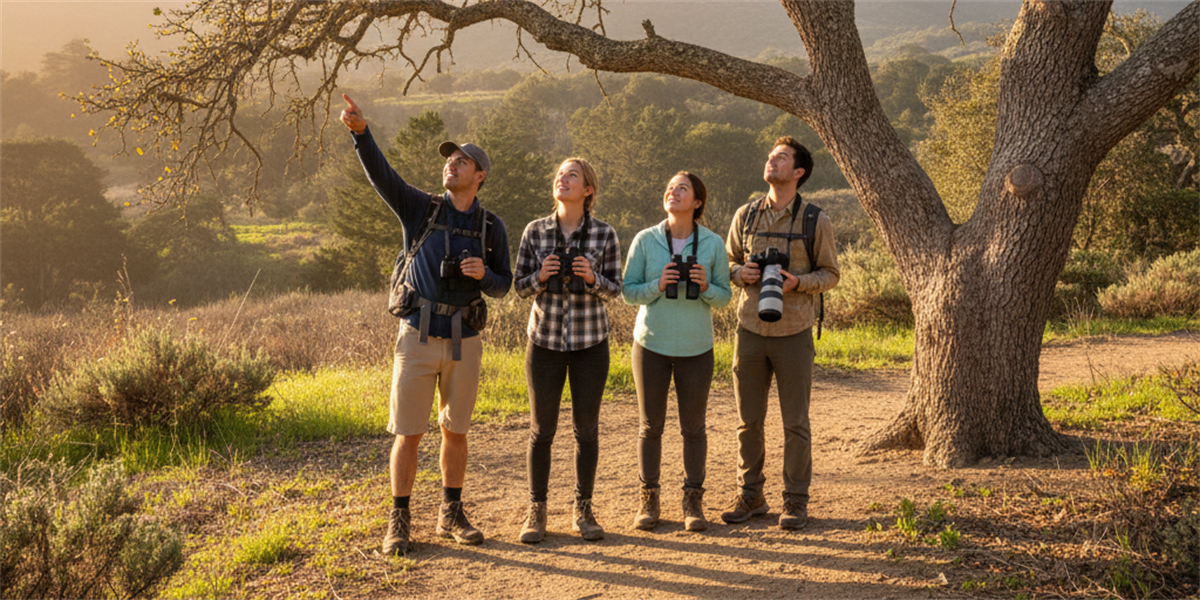
The Case for State Control of Public Lands Local Knowledge, Flexible Management, and the Promise of Expanded Access As debates over public land management intensify, one argument continues to gain traction. States may be better positioned than federal agencies to manage large portions of America’s public lands. Advocates of expanded state control point not to ideology, but to practicality, arguing that proximity, flexibility, and responsiveness matter in ways centralized systems often struggle to match. At its core, this perspective is rooted in the belief that land management works best when decision makers are closer to the landscapes and communities they serve. State agencies are often embedded within regional ecological systems, economic realities, and cultural expectations. They work alongside local governments, landowners, outfitters, and user groups in ways that federal agencies, constrained by national mandates and layered approval processes, often cannot. One of the strongest arguments for state led management is responsiveness. Federal land agencies operate within complex regulatory frameworks designed to ensure consistency and accountability across millions of acres and multiple states. While these systems provide important safeguards, they also slow decision making. Routine actions such as trail reroutes, access adjustments, and infrastructure upgrades can take years to move from proposal to implementation. States argue that they can act more quickly, adapting to changing conditions such as wildfire risk, flooding, erosion, or surging recreational demand without becoming mired in procedural delays. Closely related is the issue of local knowledge. State agencies frequently employ professionals who live in the regions they manage, understand seasonal use patterns, and maintain longstanding relationships with local stakeholders. This proximity can lead to more context sensitive decisions, particularly in areas where recreation, conservation, and economic development intersect. Rather than applying uniform policies across vast and diverse landscapes, states can tailor management approaches to reflect regional priorities and constraints. Economic development is another central component of the state control argument. Many rural and gateway communities depend heavily on public lands, yet feel disconnected from decisions that shape their economic futures. Expanded state authority can allow for more intentional alignment between land management and community development goals. Increased access, expanded permitting for guides and outfitters, and targeted recreation infrastructure investments are often framed as tools for supporting local economies while maintaining public ownership. Outdoor recreation plays a particularly important role in this discussion. Participation has grown steadily over the past decade, and in many regions demand now exceeds available infrastructure. States contend that expanded authority allows them to address gaps more efficiently, developing trail systems, campgrounds, access points, and visitor services in ways that better match regional recreation patterns. For users, this can translate into more opportunities, reduced crowding, and improved experiences. Permitting and leasing are often cited as areas where states can provide greater flexibility. Federal systems are designed to manage risk at scale, which can make it difficult for small operators or emerging recreation sectors to navigate the process. State managed permits may be more accessible to local businesses, lowering barriers to entry for guides, outfitters, and concessionaires while keeping economic benefits closer to home. There is also a fiscal argument at play. Federal land agencies face persistent funding challenges, including maintenance backlogs that total billions of dollars. States argue that taking on greater management authority, particularly when paired with revenue generating activities, can create more sustainable funding models. Fees, leases, and partnerships can be reinvested directly into land management, infrastructure, and enforcement rather than filtered through national budgets and competing priorities. From a governance perspective, proponents of state control often emphasize accountability. State agencies answer to governors, legislatures, and constituents who live near and use the land regularly. This visibility, advocates argue, creates incentives for responsive management and continuous improvement. When decisions are made locally, the impacts are felt immediately, reinforcing the need for thoughtful stewardship. Importantly, calls for expanded state control do not necessarily imply a rejection of conservation. Many state natural resource agencies have strong conservation mandates and long histories of managing wildlife, fisheries, and recreation lands effectively. Supporters argue that states can balance use and protection in ways that reflect both ecological science and local values, particularly when supported by partnerships with universities, nonprofits, and regional planning entities. None of this suggests that state led management is a universal solution. Capacity varies widely across states, and not all regions have the funding, staffing, or political support necessary to take on expanded responsibilities. Still, for many advocates, the appeal lies in the potential to rethink land management as a more adaptive and regionally grounded endeavor, one that responds to changing conditions rather than relying on static systems. In an era defined by rapid environmental change, shifting recreation patterns, and mounting pressure on public lands, the case for state control resonates because it offers a sense of agency. It suggests that solutions can emerge from the places most affected, shaped by people who know the land not just as a resource, but as a lived landscape. Whether or not expanded state authority is the right path forward, the arguments behind it deserve serious consideration. They reflect legitimate frustrations, practical challenges, and a desire for management systems that feel both effective and connected to place. Understanding these perspectives is essential for anyone engaged in the future of outdoor recreation and natural resource stewardship.

Who Should Manage America’s Public Lands? Shifting Authority, Expanding Access, and the Questions We’re Not Asking Enough For more than a century, federally managed public lands have shaped conservation, outdoor recreation, and the American idea of shared natural heritage. National parks, forests, wildlife refuges, and Bureau of Land Management lands have long reflected a national commitment to stewardship that extends beyond state lines and election cycles. Today, that framework is being questioned in new and meaningful ways. Across the country, conversations are accelerating around transferring federal lands to state ownership or expanding state-led management authority. At the same time, access to public lands is changing. Permits, leases, and concessions for recreation, grazing, energy development, and commercial use are being granted in areas where such activity was once limited or more tightly regulated. Longstanding protections for sensitive lands and wildlife are also facing renewed scrutiny. None of this is happening in isolation. Taken together, these shifts suggest a broader rethinking of how public lands are governed and used. This moment is not defined by a single policy decision or political cycle. It reflects deeper pressures tied to economic uncertainty, rural development needs, rising demand for outdoor recreation, and growing frustration with federal land management capacity. Federal agencies are stretched thin, facing staffing shortages, deferred maintenance backlogs, and increasingly complex mandates. At the same time, rural and gateway communities are searching for sustainable economic pathways, often turning to outdoor recreation, tourism, and resource-based industries as viable options. In this context, calls for greater state control can appear practical, responsive, and locally grounded. There is also a political dimension that cannot be ignored. Debates over public lands are closely tied to broader conversations about centralized governance, regulatory authority, and local autonomy. States argue that they are better positioned to respond quickly, tailor management to regional needs, and align land-use decisions with state-level economic and recreation priorities. Critics counter that shifting authority risks fragmenting national conservation goals and weakening protections that exist precisely because they are insulated from local political and economic pressure. These tensions are not new. Federal land management emerged in the late nineteenth and early twentieth centuries in response to overuse, privatization, and environmental degradation. National oversight was designed to ensure consistency, long-term planning, and protection of landscapes and species deemed significant to the nation as a whole. Yet federal systems have always struggled to fully account for regional variation and local knowledge. The balance between national standards and local realities has been contested since the beginning of the public lands experiment. What makes the current moment feel different is the scale and speed of change, combined with new stressors such as climate change, biodiversity loss, and unprecedented levels of recreational use. Outdoor recreation now occupies a central place in these debates. Expanded access and streamlined permitting can bring clear benefits, including improved infrastructure, new opportunities for outfitters and guides, and meaningful economic returns for rural communities. At the same time, recreation itself places pressure on land and wildlife, particularly when use increases faster than management capacity and funding. Who manages public land matters not only for whether access exists, but for how that access is planned, funded, monitored, and sustained. Management decisions shape trail density, visitor experience, wildlife protection, enforcement, and long-term resilience. They also influence who benefits from public lands and who bears the costs when systems are strained. Too often, conversations about public land management fall into rigid camps. Federal control is framed as either essential or outdated. State control is cast as either empowering or reckless. The reality is far more nuanced. State agencies vary widely in capacity, funding stability, and political insulation. Federal agencies are not monolithic and rely heavily on partnerships with states, tribes, nonprofits, and local communities. The most important questions are not simply about ownership, but about governance, accountability, and values. Public lands have always reflected national priorities and cultural values. The changes unfolding today invite a careful reassessment of how those priorities are expressed through policy and practice. The challenge ahead is not choosing a single level of government over another, but finding approaches to stewardship that balance access, conservation, economic vitality, and long-term responsibility. How we navigate that balance will shape the future of outdoor recreation and natural resource management for generations.
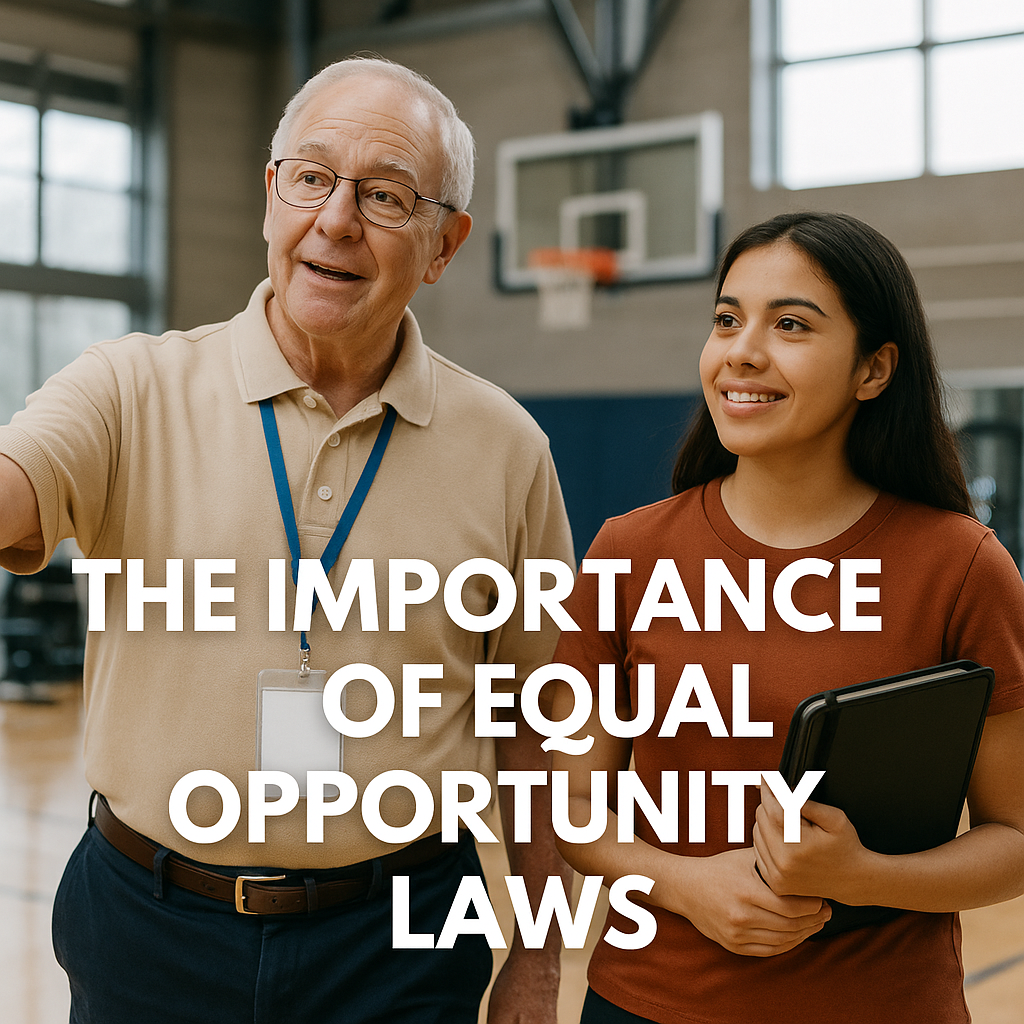
Workplaces thrive when fairness isn’t just aspirational, it’s foundational. Equal Employment Opportunity (EEO) laws help create that foundation by ensuring that individuals have a fair chance at employment and advancement, free from discrimination based on protected characteristics like race, sex, religion, national origin, age, or disability. From the Civil Rights Act of 1964 to the Americans with Disabilities Act of 1990, these legal protections have reshaped the American workplace for the better. In industries like hospitality, tourism, recreation, and service, where people are central to the experience, fairness and equal access are not only legal requirements; they’re strategic assets. As conversations around workplace equity continue to evolve, it’s essential to distinguish between the legal obligations of EEO laws and the broader organizational strategies often associated with diversity and inclusion. At their core, these laws uphold the right to dignity, access, and opportunity in every workplace. A Brief History of EEO Protections Modern protections against workplace discrimination began to take shape during the civil rights era. Title VII of the Civil Rights Act of 1964 was a landmark achievement, making it illegal for employers to discriminate on the basis of race, color, religion, sex, or national origin. This set the foundation for a series of additional laws aimed at ensuring a more level playing field in the American workplace. The Equal Pay Act of 1963 tackled wage disparities between men and women doing the same work, while the Age Discrimination in Employment Act of 1967 protected older workers from unfair treatment. The Americans with Disabilities Act of 1990 (ADA) mandated reasonable accommodations for individuals with disabilities and prohibited exclusion based on disability status. Later, the Family and Medical Leave Act of 1993 (FMLA) guaranteed eligible employees unpaid, job-protected leave for qualified family and health-related reasons. These laws are not simply historical milestones, they remain critical to how organizations operate today. While the broader discourse on equity and inclusion continues to shift, these statutes form the enduring legal backbone of workplace fairness. Equality Creates Stronger Teams Before the establishment of EEO protections, access to professional opportunities was often limited for women, people of color, older adults, and individuals with disabilities. While challenges persist, these laws have significantly reduced overt discrimination and provided legal avenues for addressing bias when it occurs. Beyond legal compliance, fostering fairness in the workplace leads to stronger, more effective teams. Research consistently shows that organizations with varied perspectives, experiences, and problem-solving approaches are more innovative and perform better over time. A 2020 study by McKinsey & Company found that companies with more diverse leadership teams outperformed their less diverse peers on profitability. Well-known employers like Hyatt, Delta Air Lines, and REI Co-op have embraced inclusive hiring and development practices, not only because they reflect company values but because they improve team performance and strengthen customer relationships. Their success demonstrates that respecting differences, when grounded in clear, lawful hiring and advancement practices, is both good ethics and good business. A Better Experience for Guests and Employees In industries like hospitality, tourism, and recreation, where face-to-face service is the cornerstone of success, ensuring fair treatment of employees directly contributes to better guest experiences. EEO laws protect workers from discriminatory practices and help create environments where staff feel respected, supported, and motivated to do their best work. For example, employing multilingual staff or individuals from different cultural backgrounds can improve communication with international guests and foster innovative solutions to customer service challenges. These are not just ethical advantages, they’re competitive ones. Companies that value inclusive staffing are better equipped to adapt to diverse client needs and expand their market reach. Respecting employee rights and ensuring equitable treatment also led to lower turnover, higher morale, and improved performance. Conversely, workplaces where favoritism or exclusion goes unchecked often struggle with burnout, staff dissatisfaction, and inconsistent service quality. Hilton Hotels, frequently recognized among the best places to work, has invested in fair promotion systems and support structures like its “Open Doors” mentorship program to help ensure all employees have access to advancement opportunities. By grounding employee support in clear policies and legal protections, companies not only fulfill their obligations, they strengthen their operations from the inside out. Recruitment and Reputation Today’s job seekers are looking for more than just a paycheck, they want to work for organizations that operate with integrity, fairness, and transparency. Companies that align their hiring practices with EEO standards are better positioned to attract and retain high-quality candidates from a broad range of backgrounds. Clear, well-structured recruitment processes help ensure that hiring decisions are based on merit and ability, rather than bias or assumptions. By eliminating unnecessary barriers and focusing on job-related criteria, employers not only reduce legal risk but also build stronger, more capable teams. Inclusive hiring isn’t about fulfilling a quota, it’s about recognizing the value of talent wherever it exists. Technology is playing a growing role in this effort. Recruiting platforms such as LinkedIn Talent Insights and Greenhouse offer tools that allow HR professionals to track hiring data, review outcomes, and adjust practices to better align with equal opportunity principles. These innovations support compliance while helping organizations stay competitive in a tight labor market. Ultimately, a reputation for fairness strengthens an employer’s brand, not just with job candidates, but with customers, partners, and the public. When organizations demonstrate a commitment to fair hiring and advancement practices, they build credibility and trust that benefits everyone. Moving Toward a More Equitable Future At their core, equal employment opportunity laws are about fairness, dignity, and the right to be considered based on one’s skills, not one’s background. These laws continue to provide critical safeguards in a world where bias, though less visible than in the past, can still shape outcomes. For industries that rely heavily on human interaction, like hospitality, tourism, and recreation, workplace fairness is more than a legal obligation; it’s the key to strong employee engagement and exceptional guest service. When organizations commit to ensuring that every employee is treated with respect and given a fair chance to grow, the benefits ripple outward. Employees become more invested. Customers receive better experiences. And businesses earn lasting loyalty. While broader social conversations about workplace equity continue to evolve, the legal framework of EEO remains clear: discrimination has no place in hiring, advancement, or daily operations. Upholding this standard isn’t just the right thing to do, it’s essential to building resilient, high-performing organizations in an increasingly interconnected world. Workplace Equity Through the Law: Why EEO Still Matters By Michael J. Bradley, Ph.D. & Mary Boujade References U.S. Equal Employment Opportunity Commission. (2023). Overview of EEO Laws. https://www.eeoc.gov/laws/statutes/ McKinsey & Company. (2020). Diversity Wins: How Inclusion Matters. https://www.mckinsey.com/featured-insights/diversity-and-inclusion/diversity-wins-how-inclusion-matters Hilton. (2023). Diversity, Inclusion, and Belonging. https://www.hilton.com/en/corporate/diversity-inclusion/ Delta Air Lines. (2023). Equity and Opportunity at Delta. https://www.delta.com/us/en/about-delta/equity-and-opportunity Greenhouse. (2023). Structured Hiring and Reporting Tools. https://www.greenhouse.io/ Optimized Keywords (max 20): equal opportunity, workplace equity, hospitality industry, workforce diversity, ADA, Civil Rights Act, inclusive hiring, employee retention, HR policy, FMLA, Equal Pay Act, workplace inclusion, Title VII, EEOC, recruitment strategies, guest service, hospitality ethics, tourism workforce, professional development, staff training

This September, SORP hosted its first-ever virtual delivery of the Visitor Use Management (VUM) Foundations Training, bringing together participants from across agencies and landscapes. While many virtual trainings risk becoming passive viewing sessions, this one was intentionally designed as a working environment rather than just a sit-and-watch experience. Each day balanced presentations with collaborative scenario work. Participants were divided into groups and assigned one of five case studies, ranging from managing high visitation at popular trails, to planning first-time infrastructure at small preserves, to addressing user conflicts and unauthorized trail building in urban parks. Rather than simply learning about the VUM Framework, participants actively practiced it. In small groups, they developed desired conditions, selected indicators and thresholds, discussed monitoring strategies, and evaluated conditions. The conversations often echoed familiar real-world dilemmas: How far is “too far” when it comes to visitor impacts? Where is the line between acceptable change and the need for intervention? How do agencies defend these decisions in complex contexts? A highlight came on the final day when groups debriefed their scenarios using shared whiteboards. Some drafted process maps, others took highly creative approaches and sketched scenes from their scenarios. The activity showcased not only the versatility of the VUM framework, but also how differently methods are interpreted across settings, user groups, and agency cultures. More than anything, the training reinforced a growing recognition across the field: visitor use challenges are shared, even when management structures differ. Participants frequently remarked on how familiar the scenarios felt to their own work, even when set in completely different environments. That sense of alignment is exactly what VUM Foundations aims to build. Beyond skill development, the training contributes to a broader shift toward more consistent and collaborative approaches to visitor use management. While adopting shared guidelines is not always simple - given differing mandates, internal systems, and cultural norms - progress often begins not with policy change, but with practitioners who choose to integrate common language and processes into their everyday planning. SORP extends appreciation to the trainers, facilitators, and participants who contributed to such an engaging and thoughtful experience. VUM is challenging work, but it is also hopeful work. Training like this continues to demonstrate that no one has to navigate it alone.

Like a fingerprint, every park and community possesses unique characteristics that distinguish them, each shaped by distinct histories, cultures, demographics, and natural environments. Yet, despite their individuality, common threads connect these places across neighborhoods, states, and even continents. It is the role of interpreters, whether in parks, museums, or classrooms, to illuminate those connections, helping people understand and deepen their relationships with the places they visit. According to the National Park Service’s Foundations of Interpretation: Curriculum Content Narrative, interpretation does not have a single, rigid definition. Rather, it draws from key ideas and practices developed by thought leaders in the field of tourism and heritage education. The curriculum outlines interpretation as the act of connecting what is being presented to something meaningful within the visitor’s own experience. Effective interpretation is pleasurable, relevant, well, organized, and anchored by a clear theme. More importantly, it transcends surface, level facts, offering deeper truths that help visitors see themselves reflected in a site’s history, purpose, or environment. For instance, at Little Rock Central High School National Historic Site in Arkansas, interpreters don't just tell the story of the Little Rock Nine, they help visitors connect that history to ongoing struggles for civil rights today. By drawing parallels between the past and the present, interpreters ensure that history is not just a story of what happened, but a call to action about what can still be done. Interpretation is the vital bridge between a resource, be it a historic structure, scenic overlook, or museum exhibit, and the people who encounter it. It ties the past, present, and future together, helping individuals not only learn about a place but also feel a sense of belonging within it. This connection, when done well, creates lasting memories and encourages repeat visitation, bolstering public support and long, term stewardship of the resource. Major public destinations like the Great Smoky Mountains and Congaree National Park draw diverse audiences from around the globe. These visitors bring with them varied backgrounds, beliefs, languages, and expectations. An effective interpreter helps every visitor, no matter their identity or origin, see why a butterfly garden, plantation house, or mountain trail holds meaning not just locally, but universally. For example, at Congaree National Park in South Carolina, rangers facilitate canoe trips through the floodplain forest. Along the way, they explain how enslaved Africans once used the river for transportation and refuge. Visitors leave with not only an appreciation for the natural beauty but a deeper understanding of the park’s historical and cultural context. Interpretation is far more than regurgitating facts. It’s not enough to state that a site was founded in 1892 or that a species is endangered. True interpretation reveals why that history matters, how it connects to the lives of visitors, and what actions people might take as a result of what they've learned. A skilled interpreter captivates, provokes thought, and invites emotional engagement. Take the example of Yellowstone’s wolf reintroduction program. Interpreters there don’t just explain the ecological mechanics of trophic cascades. They talk about the political and cultural debates, the changes in elk populations, and the perspectives of ranchers and environmentalists alike. This multilayered storytelling helps visitors understand that conservation is complex, and that they have a stake in it. While interpretation is essential in places like parks and cultural sites, its value extends into classrooms. Teachers act as interpreters too, bridging subject matter and student life. When learners understand the relevance of a lesson, they are more likely to engage deeply and retain the knowledge. Like a ranger translating the significance of a Civil War battlefield or an ecologist interpreting a wetland, educators help students see the “why” behind the “what.” For instance, an environmental science teacher might use a school garden to teach about ecosystems. Rather than reading from a textbook, students observe plant growth, track pollinators, and learn about composting. This hands, on interpretation deepens comprehension and instills environmental stewardship. Ultimately, interpretation empowers people to find their place within a broader narrative. It helps visitors not only see a site, but feel it. Whether walking through a national park, exploring a historical landmark, or sitting in a classroom, people crave connections that enrich their lives and expand their understanding of the world. Interpretation is the thread that weaves those connections into lasting impressions. References Bacher, K., Baltrus, A., Barrie, B., Bliss, K., Cardea, D., Chandler, L., … Lacome, B. (2007, March 1). Foundations of Interpretation. National Park Service. https://www.nps.gov/idp/interp/101/foundationscurriculum.pdf Making Meaning: The Role of Interpretation in Connecting People and Parks By Callie McMullin & Michael J. Bradley