





Providing leadership for the
outdoor recreation profession

About the Society of Outdoor Recreation Professionals

The Society of Outdoor Recreation Professionals has been serving the outdoor recreation profession since 1983. It is the nation’s leading association of outdoor recreation and related professionals who strive to protect our natural and cultural resources while providing sustainable recreation access. Our mission is to provide leadership for the outdoor recreation profession through skill development, networking, and technical guidance.

Days
Hours
Minutes
Seconds

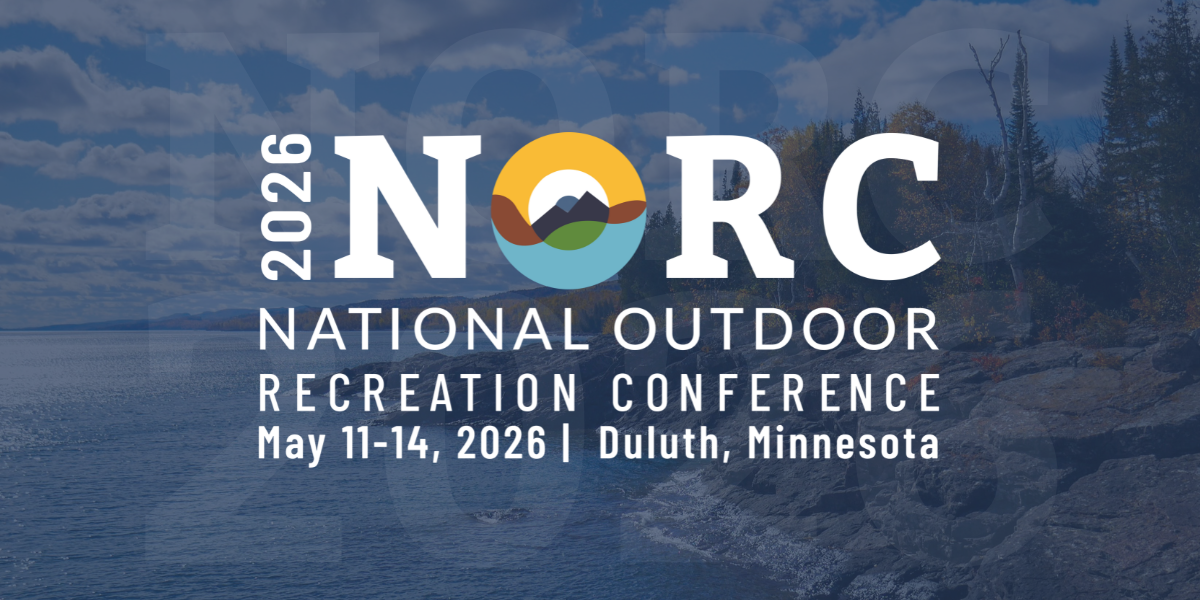
2026 National Outdoor Recreation Conference

May 11 - 14, 2026 | Duluth, Minnesota

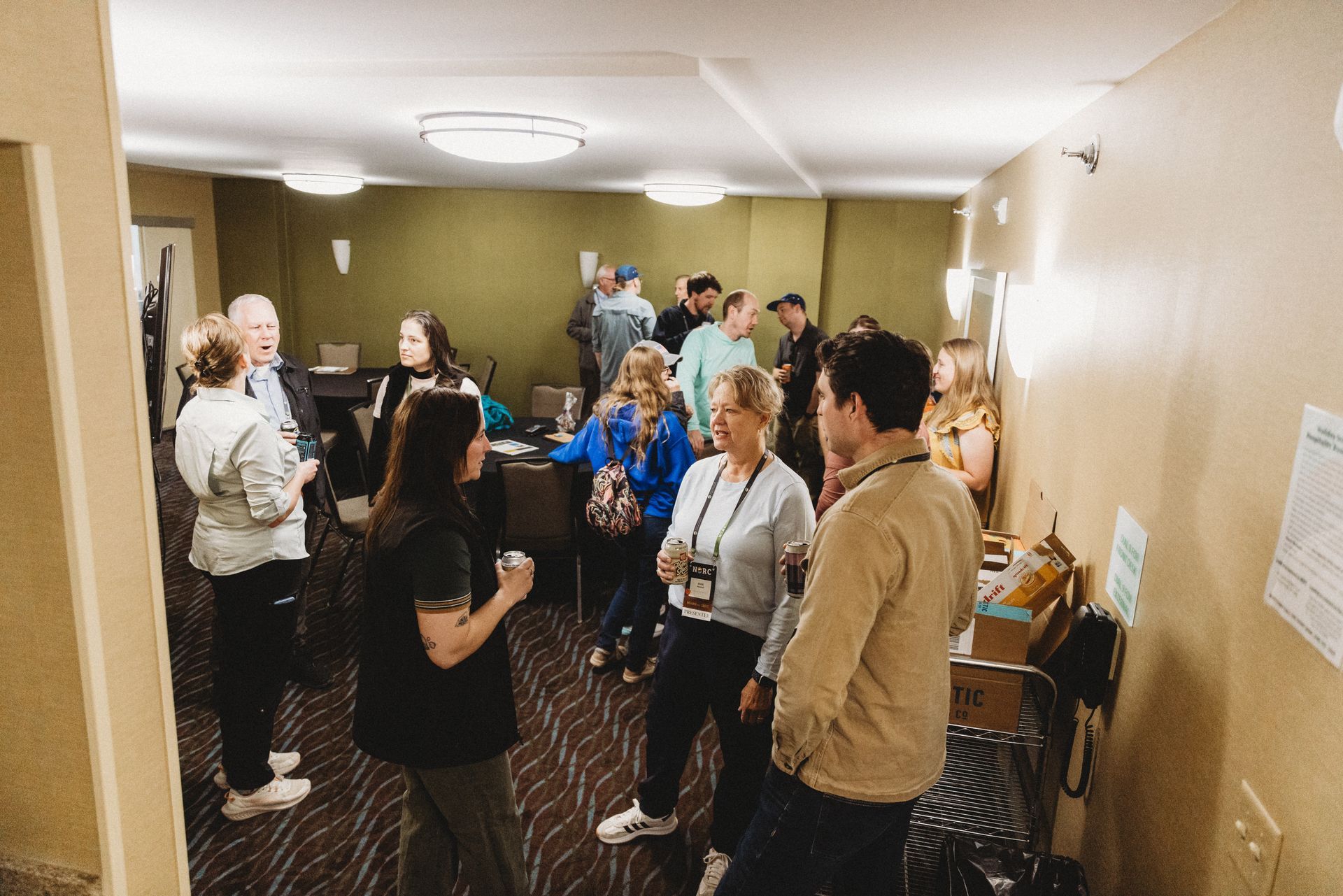
The National Outdoor Recreation Conference (NORC) brings together 400+ professionals from across the outdoor recreation field. Over four days, attendees engage in workshops, concurrent sessions, and inspiring keynotes, with added training and field workshops to learn and explore the Great Lakes region. 

SORP Members Receive...

Education Scholarship

Community

Access to an incredible community of outdoor recreation professionals who are interested in networking, sharing resources, staying up to date on the latest industry trends, finding and sharing job opportunities, and discussing hot topics. 

Education Scholarship

Support

SORP will help connect you with experienced industry professionals plus we collect, organize, and share a wide variety of resources to save you time and keep you up to date on planning and management tools, concepts, processes, handbooks, and policies.

Education Scholarship

Opportunity

Access to online training through webinars, plus discounts for the National Outdoor Recreation Conference, the only conference that supports the training needs of professionals that manage nature-based outdoor recreation.

Education Scholarship

"This is the most valuable organization I have ever joined. Keep it up!"

SORP Member

Education Scholarship

Amazing conference with huge networking and connectivity opportunities

2024 NORC Attendee

It was amazing to be at a conference with so many passionate professionals and learn about the opportunities to contribute to individual and overarching projects.

2024 NORC Attendee

"This is the most valuable organization I have ever joined. Keep it up!"

SORP Member

Education Scholarship

Upcoming

Events

Find Industry Insights


Check out the SORP communities to discover a wealth of shared knowledge and connections. SORP members are able to: 

  • Ask questions and get answers from industry colleagues across the country
  • Find or share valuable resources through the technical resource library curated by topics such as climate change, DEIA, stewardship, outdoor recreation economy
  • Access webinar recordings
  • Get access to member discounts to events and trainings. 


Support SORP

The Society of Outdoor Recreation Professionals (SORP) is a nonprofit organization that relies on the generosity of our community through donations, partnerships, memberships, and more to advance the outdoor recreation profession. There are many ways to support SORP and help strengthen the people and programs shaping outdoor recreation across the country.


1

Donations for Scholarships + More

Outdoor recreation professionals thrive when they’re supported and valued. Your donation helps strengthen the field by advancing mentorship, scholarships, and programs that empower current and future professionals.

2

Help our Endowment

SORP has established a permanent endowment at the Rose Community Foundation to provide long-term support for our mission. Thanks to generous donors, this fund will help sustain SORP for future generations. You can contribute to the endowment and strengthen SORP’s future. Gifts of any size are welcome.


3

Shop SORP Gear

You can now shop gear through our shop on Bonfire! We are a verified nonprofit, so any purchase helps us keep moving forward towards providing leadership for the outdoor recreation profession through skill development, networking, and technical guidance.


Community Highlights

  • Search our Resource Library

    The most robust list of resources in our library are available for our members. 


    Training Resources

    We've assembled a great collection of websites and documents from the web that can help you do your job better.


    SCORP Resources

    SORP's digital library of state SCORPs is the only place you will find all 50 state SCORPs in one place.


    Trainings & Workshops

    Explore opportunities SORP offers to advance skills and knowledge in the field of outdoor recreation.


    SORP Reports

    We have curated a great list of resources for you.

    Check Out Resources
  • Start a Discussion

    Participate in online discussions in hundreds of online communities with thousands of members.

    Join the Conversation
  • View Blogs

    Review featured blog posts on different topics available to members.


    Button
  • Find Your Next Job

    Share and browse job opportunities within the outdoor recreation industry. No other professional organization is positioned to support outdoor recreation professionals with the same depth and breadth of expertise as SORP. Our focus is the complex interactions between outdoor recreation, tourism and natural, historic, and cultural resources. Must be a SORP member to view.

    Check out the Job Board
  • Awards

    At the National Outdoor Recreation Conference (NORC), SORP recognizes and honors individuals and groups for their outstanding accomplishments in the field of outdoor recreation planning, management, research, and policy, as well as in service to SORP. Statewide recreation plans (such as SCORP Plans) are now recognized under the Project Excellence category.


NEWS AND UDPATES

By Rebecca Maguire May 29, 2026
Thank You to Our Departing Board members
By Rebecca Maguire May 18, 2026
A quick recap of a fun week in Duluth, Minnesota!
By Michael Bradley December 13, 2025
Toward Shared Stewardship of America’s Public Lands Moving Beyond Control to Collaboration Debates over who should manage America’s public lands often frame the issue as a choice between federal authority and state control. In practice, this framing oversimplifies a far more complex reality. Public lands are shaped by overlapping jurisdictions, shared responsibilities, and partnerships that already blur the lines between levels of government. The question is not whether authority should reside in one place or another, but how stewardship can be structured to balance access, conservation, and long term responsibility. Federal land management has historically provided consistency, durability, and protection at scale. National standards help safeguard ecosystems that cross political boundaries and ensure that public lands remain public across generations. At the same time, centralized systems can struggle to respond quickly to local conditions, evolving recreation patterns, and community specific needs. State led approaches, by contrast, offer flexibility, proximity, and opportunities for alignment with regional priorities, but they also raise concerns about capacity, funding stability, and uneven conservation outcomes. Rather than viewing these models as mutually exclusive, a shared stewardship approach recognizes that effective land management often emerges from collaboration. Many of the most successful public land initiatives already rely on cooperative agreements among federal agencies, state governments, tribal nations, local communities, nonprofits, and private partners. These arrangements allow authority, expertise, and resources to be distributed in ways that reflect both local knowledge and broader public interests. Shared stewardship emphasizes governance over ownership. It shifts attention away from who holds title to land and toward how decisions are made, who participates in those decisions, and what values guide them. Under this framework, federal agencies retain responsibility for long term conservation and national priorities, while states and local partners play meaningful roles in planning, implementation, and adaptive management. This approach can preserve consistency while allowing for innovation and responsiveness. For outdoor recreation, shared stewardship offers a pathway to balance access and protection. Recreation infrastructure, visitor management, and community partnerships often benefit from local leadership and regional coordination. At the same time, ecological monitoring, habitat protection, and landscape scale planning require continuity and scientific rigor that national systems are well positioned to provide. Aligning these strengths requires intentional collaboration rather than jurisdictional competition. This model also places a premium on transparency and accountability. Shared stewardship works only when roles are clearly defined, funding mechanisms are stable, and outcomes are evaluated over time. Without these safeguards, partnerships risk becoming symbolic rather than substantive. Successful collaboration demands sustained investment in communication, data sharing, and trust building across agencies and sectors. Universities and applied research institutions have an important role to play in this landscape. By serving as neutral conveners, knowledge brokers, and workforce trainers, they can support evidence based decision making and help bridge gaps between policy and practice. Research that integrates ecological science, recreation management, and community economics is particularly valuable in informing adaptive governance models. Ultimately, the future of public land stewardship will be shaped less by jurisdictional boundaries than by collective capacity. Climate change, biodiversity loss, and rising recreation demand are challenges that no single agency or level of government can address alone. Shared stewardship acknowledges this reality and offers a framework for cooperation that respects both local insight and national responsibility.  Public lands are among the most enduring public investments in American history. Preserving their ecological integrity and public value requires moving beyond debates about control and toward conversations about collaboration. By focusing on shared responsibility rather than competing authority, land managers, recreation professionals, and policymakers can work toward systems that are resilient, inclusive, and worthy of the landscapes they serve.
Sign Up for Our Newsletter


Create a FREE account to join our newsletter and to save your information and access our online portal! From your portal you can register for events and purchase a membership.