About the NORC Schedule + Program
The 2026 NORC program will explore how outdoor recreation can serve as a catalyst for restoration and revitalization — of places, communities, and systems. As outdoor recreation continues to evolve in response to social, environmental, and economic changes, this conference focuses on the role of recreation planning and management in rebuilding resilient infrastructure, fostering community well-being, strengthening governance, honoring culture and place, and fostering innovation. Sessions will offer actionable insights, inspire collaboration, and reflect forward-thinking approaches.
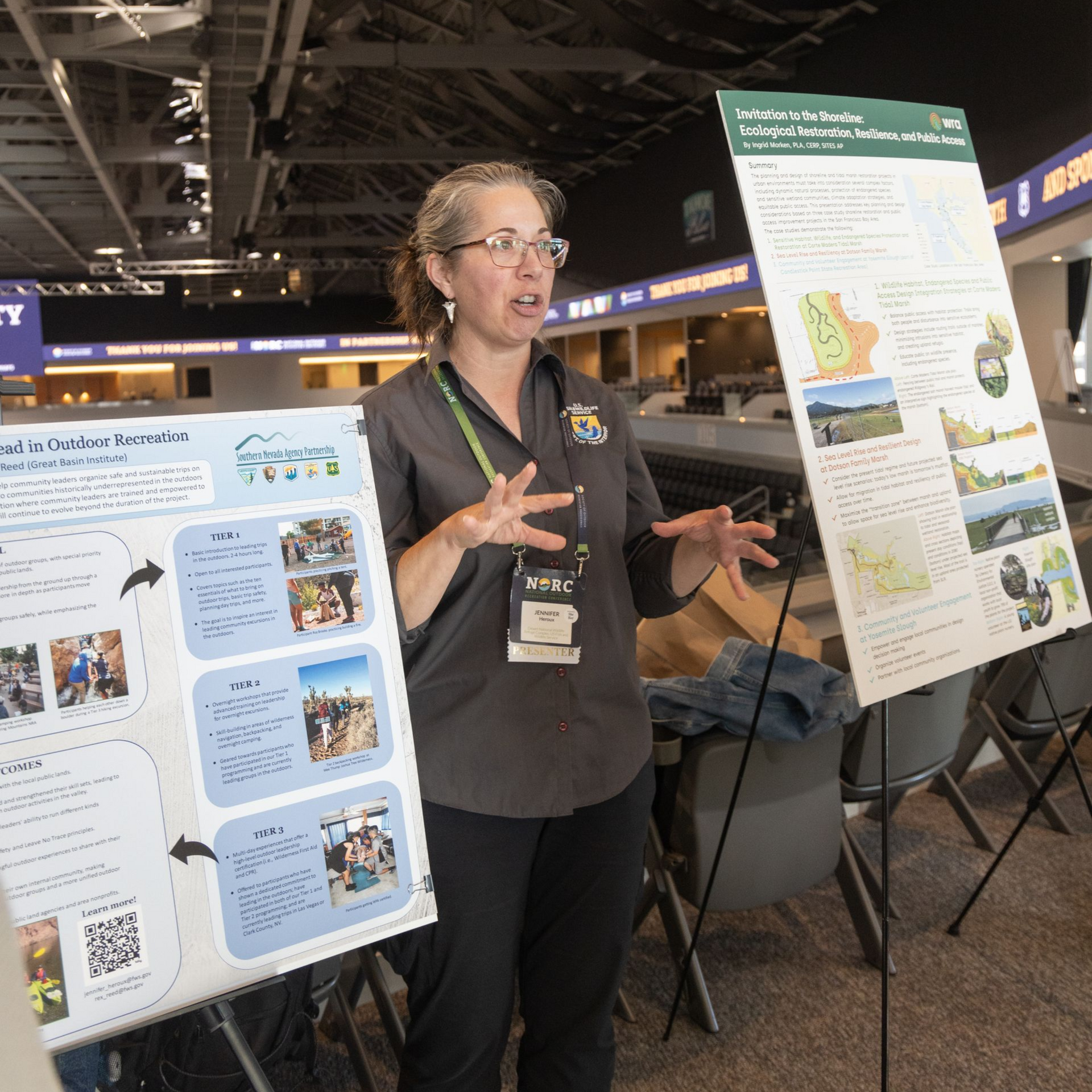
Monday Poster Reception, Silent Auction, and Scholarship Fundraiser
Monday, May 11 5:30 - 7:30pm | Harbor Side Convention Center 2nd and 3rd floors
Join us for our first social evening of the conference! Network with other attendees, check out the exhibitor booths, enjoy light apps and a cash bar, and peruse the Poster Reception and Silent Auction which is a fundraiser for our scholarship program. Canal Park Brewing Company and Athletic Brewing graciously donated beer for the happy hour for attendees to enjoy (while supplies last)!
#Ad Athletic Brewing Company, LLC. Milford, CT and San Diego, CA. Near Beer. <0.5% alc/vol.
Morning Run
Tuesday and Thursday | Meet at 7:00am | Transportation Pick Up
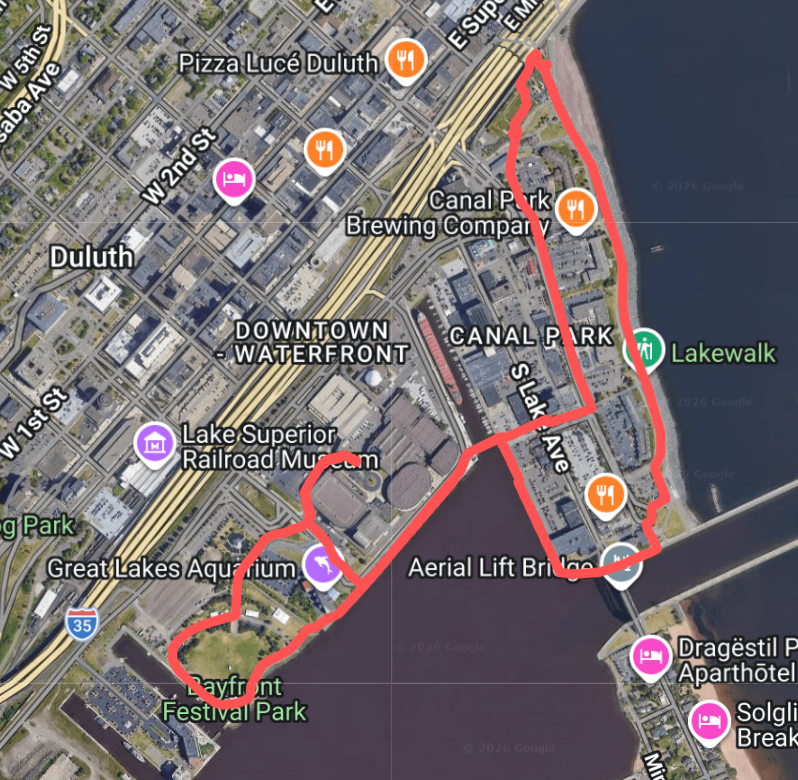
Join Northern Minnesota Track Club (NMTC) to take a morning run around Duluth! This is a casual 5K run with a
route created by NMTC to show off sites of Duluth. Meet at 7:00am and we will head out at by 7:10am. Sign up in Whova under Meet-Ups to let us know you are joining (registration not required but helpful to gauge interest).
Tuesday Social Hosted by Duluth Area Outdoor Alliance (DAOA)
Tuesday, May 12 6:00 - 8:30pm | 353 Harbor Dr, Duluth, MN 55802
Join us for an evening of networking and education at the
Great Lakes Aquarium! Local nonprofit organizations and land managers that are part of DAOA will have information stations where you can fill your bingo card as you explore the aquarium. Prizes will be given to bingo card participants. Light apps will be served and a cash bar will be available. Space is limited for this event and registration is required and is first-come, first-served. The sturgeon touchpool will be open to attendees. A short walk from the convention center, but complimentary continuous transportation will be provided between the aquarium and convention center.
Takeover Night hosted at Canal Park Brewing Company
Thursday, May 14 | 5:00 – 10:00pm | 300 Canal Park Dr, Duluth, MN 55802
Join us as we close out NORC with your final evening of networking and celebration at Canal Park Brewing Company! Attendees and the general public can join this no-host evening for drinks and delicious food within walking distance from Harbor Side Convention Center (transportation not provided). Canal Park Brewing Company is graciously
donating $1 to SORP for every beer purchased between 5:00pm-10:00pm!
Sessions will Address
Building and Sustaining Recreation Infrastructure
This track focuses on planning, maintaining, and adapting outdoor recreation infrastructure as a foundation for revitalized outdoor experiences. Topics may include asset reinvestment, climate-ready design, adaptive reuse, and nature-based solutions that serve both ecological and visitor needs. Sessions should offer practical strategies that restore and sustain the systems supporting recreation access and function.
Advancing Belonging and Quality of Life
This track explores how outdoor recreation planning can enhance community well-being and everyday quality of life. Topics may include inclusive design, access for diverse communities, and planning approaches that foster belonging and connection. Sessions should highlight how recreation spaces support everyday revitalization - making communities more livable, welcoming, and rooted in shared experience.
Engaging Communities & Navigating Governance
This track focuses on community-centered planning, collaborative management, and responsive governance. Topics may include public engagement, co-stewardship, cross-sector partnerships, and adapting to shifting administrative landscapes. Sessions should explore how planners and managers are building trust, expanding participation, and sharing responsibility in ways that restore meaningful relationships with people and land.
Innovation and the Future of Outdoor Recreation
This track features forward-thinking and emerging models, technologies, funding strategies and partnerships in recreation planning. Sessions may highlight innovative funding mechanisms, planning for new and evolving recreation technologies, or approaches that integrate equity, climate resilience, and access. We welcome bold ideas, experimental initiatives, and pilot projects that offer a glimpse into what’s next for outdoor recreation planning and management
Regional and Cultural Approaches
This track explores how regional identity, cultural values, and community priorities inform outdoor recreation planning and management. Sessions may highlight Indigenous- and Tribal-led initiatives, cultural stewardship, local tourism strategies, and cross-boundary partnerships that enhance outdoor recreation systems. Proposals are welcome from across the country, including those highlighting work in the Great Lakes region. Presenters are encouraged to share how culture, history, and regional context shape planning decisions and contribute to creating meaningful, revitalized outdoor experiences.
Presentation Formats
Presentation formats will include the following:
Poster Presentation
Poster that displays selected research and/or other outdoor recreation-focused projects. Presenters are required to be available to discuss their poster during the live session on May 11 from 5:30 PM to 7:30 PM. Posters will remain on display for the duration of the event.
Research Presentation
20-minute research-oriented presentation (15-minute presentation plus 5 minutes for questions). The Program Work Group will group research presentations based on conference themes to fit within concurrent sessions.
Concurrent Sessions
45-minute sessions that present a case study or topic and which allow time for interaction with the audience (30-minute presentation; 15 minutes for questions or discussion). The Program Committee will group presentations based on similar themes to fit within concurrent sessions.
Panel Discussion
90-minute presentation during which multiple people present or facilitate a discussion or brainstorming session on a specific topic, issue, solution, etc. and which actively provide opportunities for the audience to interact with the presenters.
Workshop/Training Sessions
This year we are inviting proposals for 4-8 hour or multi-day pre- or post-conference education sessions. Full or half day sessions will take place at the conference venue on Monday, May 11 and should align with the conference theme. Multi-day sessions may include technical training with a field component; the NORC planning team will work with you on the timing and location.